Why presentation can change the way buyers see your home
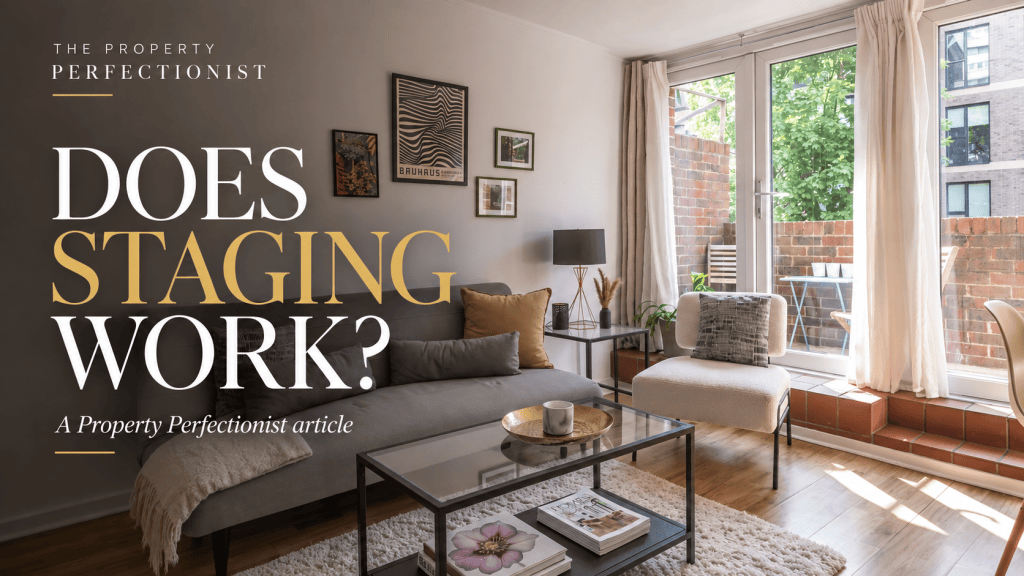
I’ve always believed presentation is one of the most underestimated parts of selling a property.
Not because staging can magically turn an ordinary home into something it isn’t.
But, buyers don’t make decisions based on square footage, room dimensions and postcode alone.
They react to what they see, how a room feels and whether they can imagine themselves living there.
That is where staging can make a very real difference.
A recent example
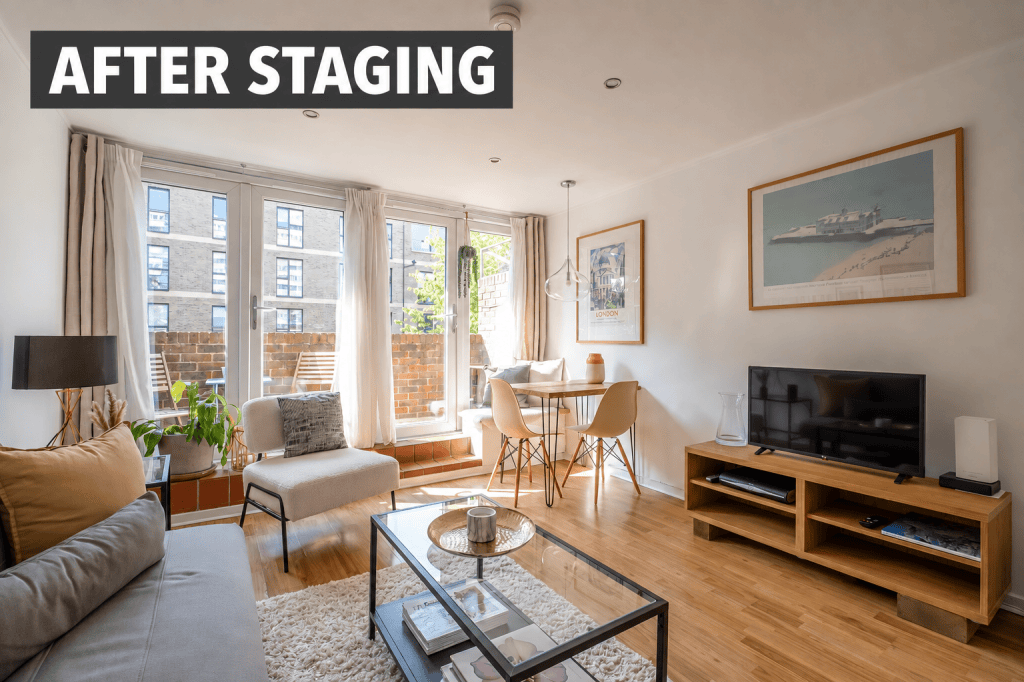
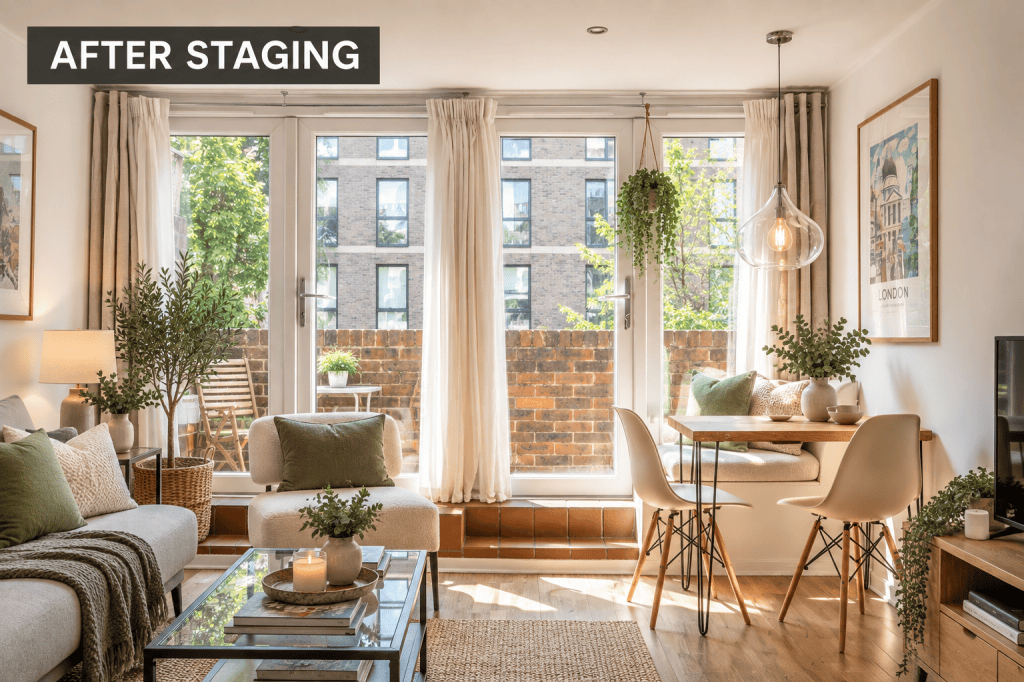
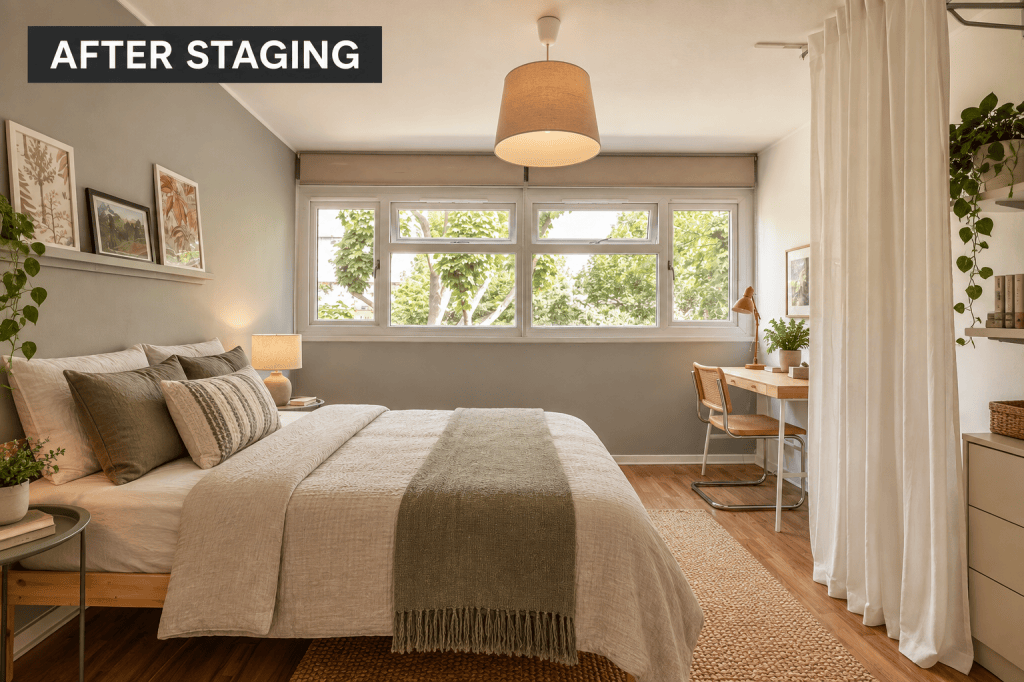
I recently sold a flat in South-East London that had already been marketed by two leading estate agents without securing a sale.
When I met the owner, one of the first things we discussed was presentation.
The flat was a little tired in places. There was nothing fundamentally wrong with it, but the way it was being presented made it very easy for buyers to focus on what they might want to change.
Rather than simply putting it back onto the portals and hoping for a different result, we staged it.
We changed some of the furniture, softened the rooms, added accessories and created a more considered look.
The idea wasn’t to disguise anything.
It was to help buyers notice the space, the light and the way the rooms could actually work as a home.
We then relaunched it.
A buyer was secured within four weeks.
The sale has now completed.
Can I say staging alone caused the sale?
No.
Price, demand, photography, marketing, location and the individual buyer all play their part.
But when you look at the before-and-after photographs, it is difficult to argue that the way a property is presented doesn’t influence the way it is perceived.
Before:
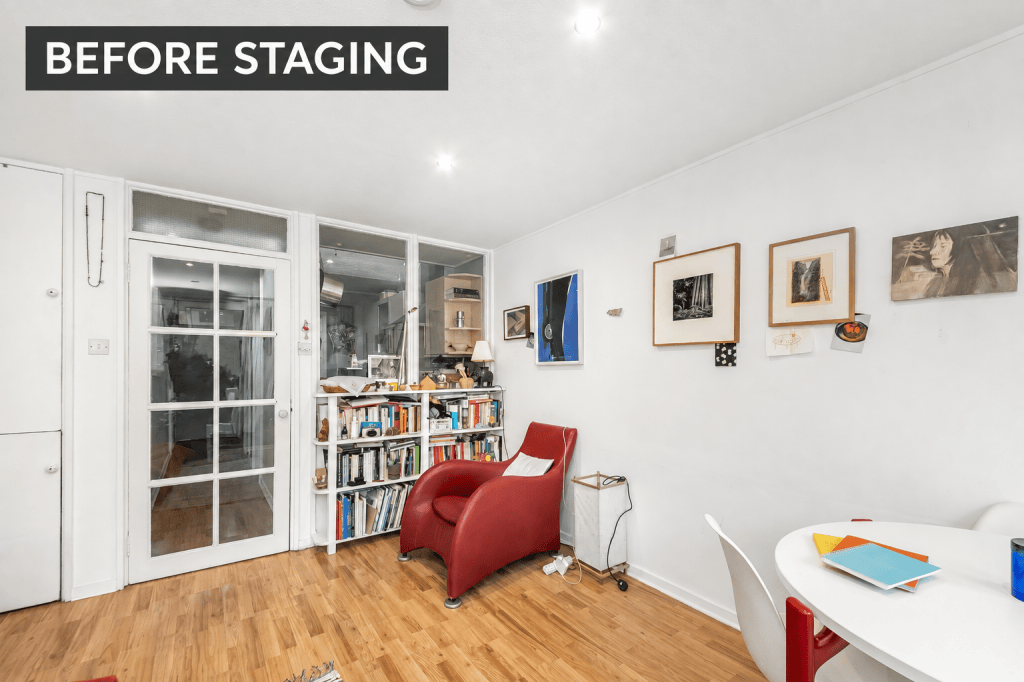
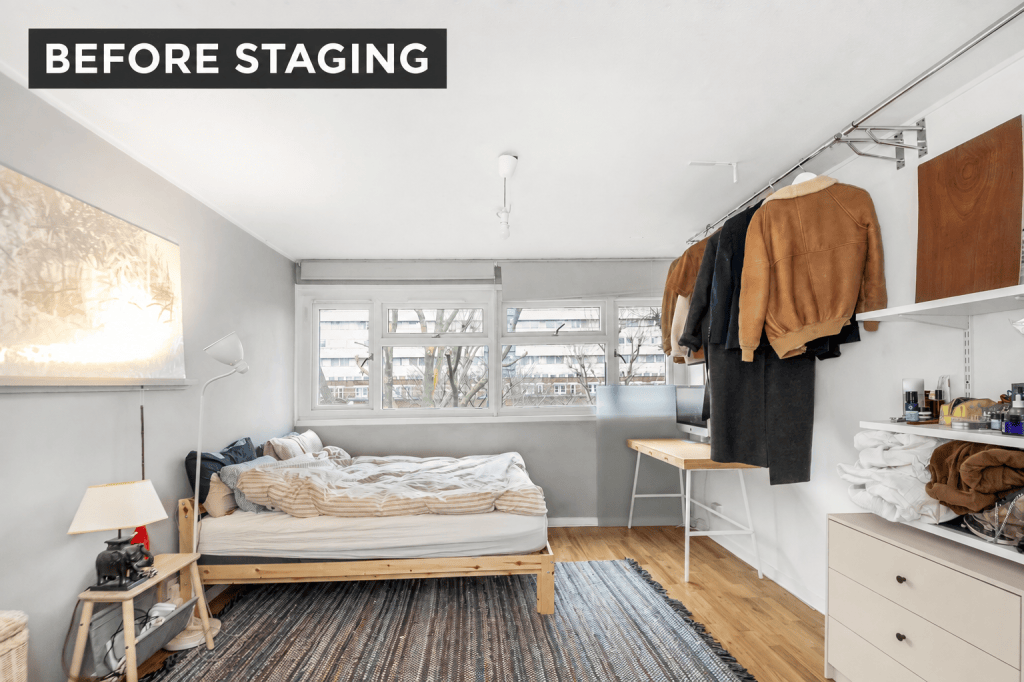
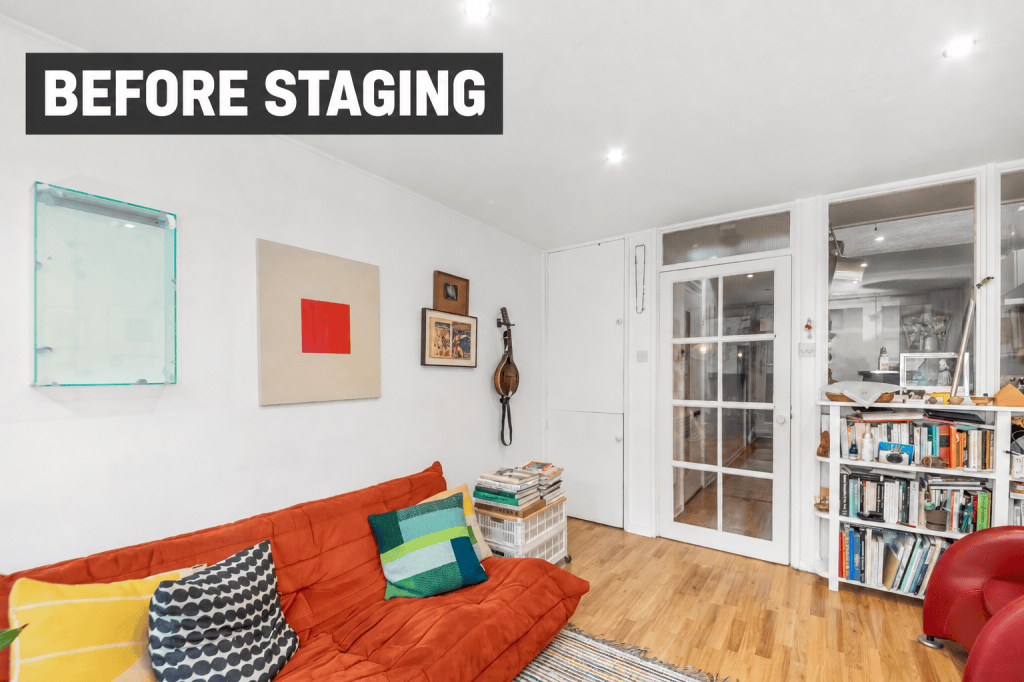
After Staging:
Staging is marketing, not interior design
This is probably the most important distinction.
When you decorate your home, you are decorating it for you.
When you stage a home for sale, you are presenting it for the buyer.
Those are two very different things.
Good staging does not necessarily mean expensive furniture or turning the property into a show home.
Sometimes it simply means removing clutter.
Sometimes furniture needs repositioning because it is making a room look smaller than it really is.
Sometimes an awkward corner needs a desk or dining table so that buyers understand what the space is for.
And sometimes, particularly with an empty or slightly tired property, adding furniture, artwork, lighting, plants and accessories can introduce the warmth that is missing.
The objective is straightforward.
Make the property easier for a buyer to understand and easier for them to imagine living in.
What does the research say?
There is evidence suggesting that staging can influence viewings, selling time and offers, although I think these statistics need to be treated sensibly.
There is no reliable rule saying:
“Stage your house and it will definitely sell for X% more.”
Every property is different and every market is different.
However, research carried out by the Home Staging Association UK & Ireland found that 94% of estate-agent respondents believed staging increased the number of viewings, while 86% said staged homes sold up to three times faster than unstaged properties.
When agents were asked about offers, 78% said staging had increased the offer value when comparing similar homes.
The most commonly reported uplift was between 1% and 3%, although some respondents reported more.
That does not mean staging automatically adds 3% to the value of a property.
It does, however, suggest that presentation can affect the way buyers respond.
And sometimes the financial benefit is not simply about achieving more.
It can also be about avoiding less.
If stronger presentation helps create better interest from the beginning, it may reduce the risk of a property spending months on the market, becoming stale, undergoing repeated price reductions and eventually selling for less because buyer perception has changed.
Sometimes protecting your price can be just as valuable as increasing it.
Buyers themselves believe presentation matters
Buyer psychology is an important part of this.
Zoopla research found that 84% of homemovers believed staging a property before selling was worthwhile.
More than half said they thought they might have achieved more for their property had it been staged beforehand.
Again, that is opinion rather than transaction evidence.
But it does tell us something.
People remember how homes make them feel.
A room that feels warm, balanced and inviting is easier to connect with than one that feels empty, cluttered or neglected.
And buying a home is an emotional decision as well as a financial one.
The first viewing usually happens online
This is another reason presentation matters so much today.
Years ago, the first meaningful impression of a property may have happened when somebody walked through the front door.
Today it usually happens on a phone.
A buyer can scroll through dozens of properties in a matter of minutes.
They are deciding extremely quickly which homes deserve further attention and which ones don’t.
That means photography matters enormously.
But great photography can only photograph what is actually there.
If the room feels cold, cluttered, empty or badly arranged, even an excellent photographer has limitations.
Staging gives the photographer something better to work with.
And in a market where buyers are constantly comparing one property with another, that matters.
Where staging can be particularly powerful
I think staging can be especially useful when a property is a little tired.
Imagine an older room with dated flooring, paintwork that could do with refreshing or a kitchen that a buyer might eventually want to replace.
If that room is empty or poorly presented, those details can dominate the photograph.
The buyer sees the work.
Now imagine the same room with appropriately scaled furniture, a rug, good lighting, some artwork and a few carefully chosen accessories.
Nothing has been hidden.
The flooring is still there.
The kitchen is still the same kitchen.
But the buyer is now also noticing the proportions, the natural light, where the sofa could go, where friends might sit and how the room could actually feel.
That is an important difference.
Good staging is not about distracting buyers from faults.
It is about ensuring those faults are not the only thing they notice.
Empty properties can create a different problem
Empty rooms can look wonderfully clean online.
But they can also be surprisingly difficult for buyers to understand.
Without furniture, judging scale becomes much harder.
Will a double bed fit comfortably?
Is there enough room for a dining table?
Can the living room take a proper sofa as well as storage?
Furniture provides a visual reference.
It shows buyers how the space can work rather than asking them to work it out for themselves.
That can be particularly important with unusual layouts or rooms that are smaller than average.
Not every property needs professional staging
I certainly wouldn’t recommend spending thousands of pounds staging every house I market.
Some homes already present beautifully.
Some sellers have good furniture, understand how to prepare a room for photography and need very little help.
Often, the job is much simpler.
It may mean decluttering, moving a few pieces of furniture, removing overly personal items, changing the bedding, adding some plants and spending an hour styling the rooms before the photographer arrives.
For other properties, particularly vacant homes or those that have already struggled to sell, professional furniture and styling can make much more sense.
The strategy should fit the property.
Not the other way around.
What I look for before a property is photographed
When I prepare a home for market, I’m not simply asking whether it is tidy.
I’m looking at how a buyer is likely to see each room.
Where does the eye go first?
Is the furniture helping the room or making it feel smaller?
Is the purpose of the space obvious?
Are there distractions we can remove?
Does it photograph well from the strongest angle?
Does the room have enough warmth?
And perhaps most importantly:
What will a buyer remember after viewing another five properties that day?
That is marketing.
Presentation cannot rescue the wrong asking price
There is an important limit to all of this.
Staging is powerful.
But it is not magic.
If a property is significantly overpriced, beautiful cushions are not going to solve the problem.
Likewise, excellent staging combined with poor photography is a missed opportunity.
And great photography with weak marketing will only take you so far.
Selling well requires the different elements to work together.
Price, presentation, photography, storytelling, exposure and negotiation.
Get one badly wrong and everything else has to work much harder.
My view
The South-East London flat is a good example of why I take presentation seriously.
The property had already been exposed to the market.
Two previous agents had tried to sell it.
We changed the presentation, relaunched it and secured a buyer within four weeks.
That doesn’t mean staging is the answer to every unsuccessful sale.
But it does show why I think sellers should consider presentation before simply reaching for another price reduction.
Sometimes the issue is not that buyers dislike the property.
Sometimes they simply haven’t been shown its best version yet.
The walls have not changed.
The square footage has not changed.
The address has not changed.
But the way a buyer experiences the home can change considerably.
And in property, that can matter more than many people realise.
Because buyers are not simply buying bricks and mortar.
They are buying the future they can imagine living inside them.
Sometimes the property doesn’t need changing.
The way the buyer sees it does.
If you are thinking of selling and would like an honest view on how I would present your home before it reaches the market, feel free to get in touch.
Clarity. Not optimism. Not guesswork. Just evidence.


Leave a comment